
When it comes to your child’s oral hygiene, it’s natural to have questions about the products you use. Mouthwash is often a staple in adult oral care, but is it safe for kids? If you’re considering introducing mouthwash into your child’s routine, there are several factors to consider, including age recommendations, types of mouthwash, and safety concerns.
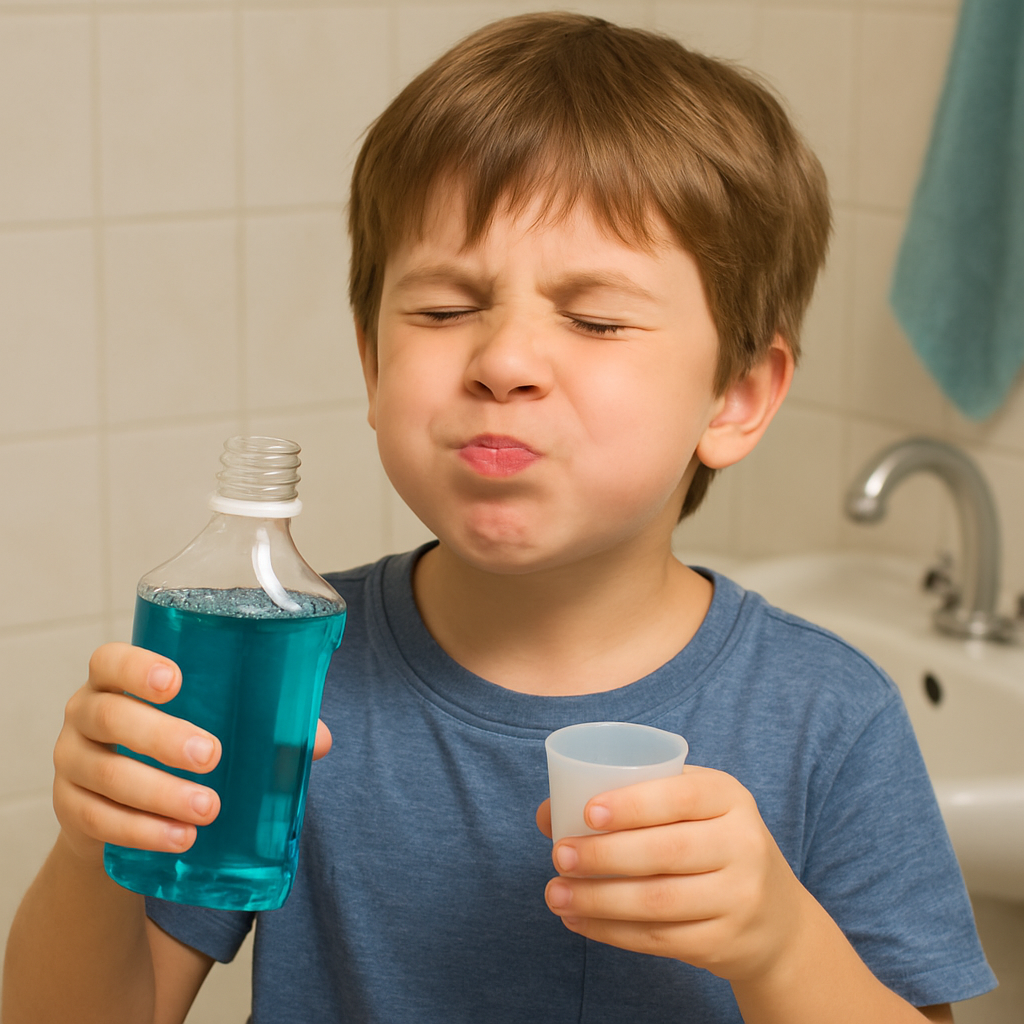
Mouthwash, also known as an oral rinse, is a liquid product used to rinse the mouth, teeth, and gums. It can help reduce plaque, fight cavities, and freshen breath. However, not all mouthwashes are created equal, and those formulated for adults can be too strong for children.
Types of Mouthwash for Kids
There are various types of mouthwash available, each designed with specific purposes in mind. For children, it’s essential to choose a mouthwash that is safe and suitable for their age group.
- Fluoride Mouthwash: This helps in strengthening tooth enamel and preventing cavities. It’s important to monitor the amount used, as too much fluoride can lead to dental fluorosis, a condition that affects the appearance of the teeth.
- Alcohol-Free Mouthwash: Most children’s mouthwashes are alcohol-free to avoid the burning sensation that can occur with alcohol-based rinses. Alcohol-free options are generally safer for kids and reduce the risk of accidental ingestion.
- Anti-cavity Mouthwash: These contain ingredients specifically aimed at reducing the risk of cavities and are often fluoride-based.
Is Mouthwash Safe for Kids?
Safety is the primary concern for parents when it comes to mouthwash. The American Dental Association (ADA) provides guidelines and recommendations to ensure safety.
Age Recommendations for Mouthwash Use
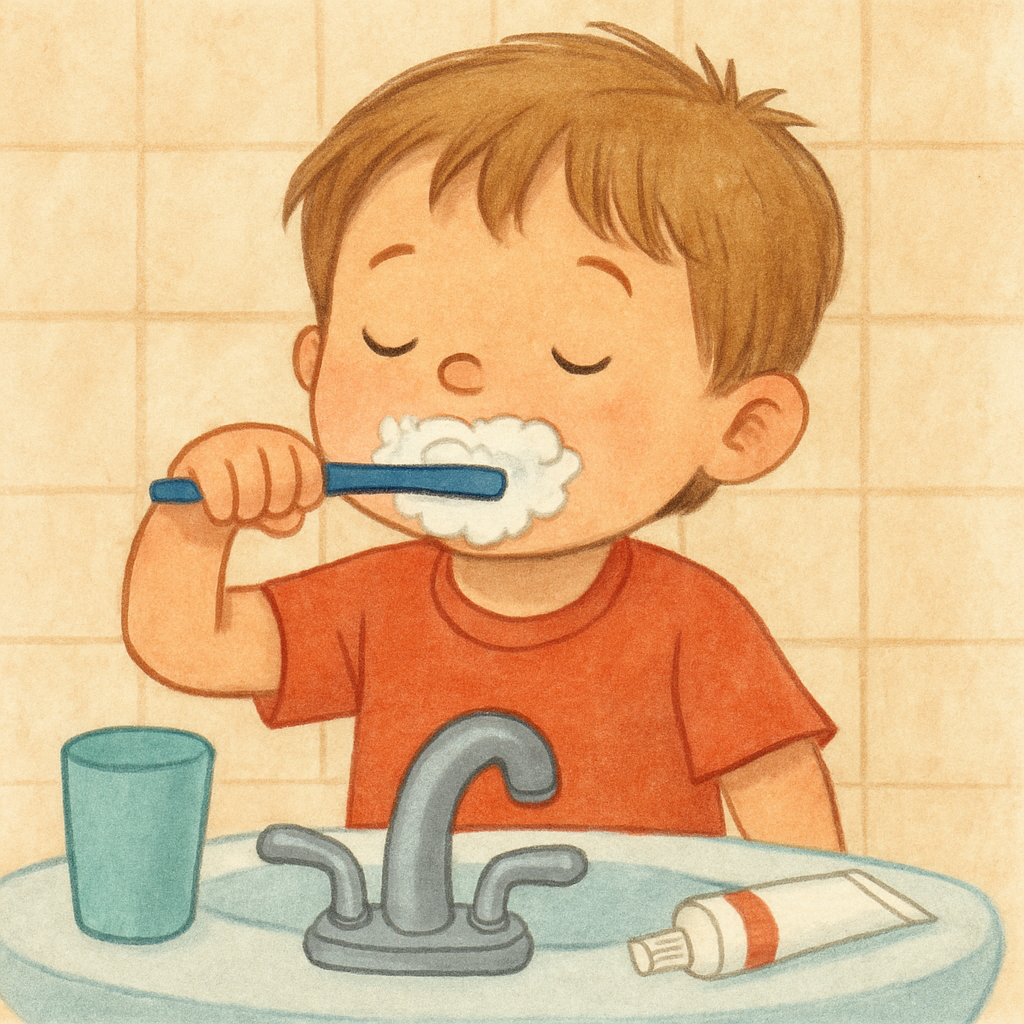
The ADA suggests that children under the age of six should not use mouthwash. At this age, children may not have fully developed their swallowing reflex, increasing the risk of ingestion. Instead, focus on teaching proper brushing and flossing techniques.
For children aged six and above, mouthwash can be introduced with parental supervision. It’s crucial to ensure they understand not to swallow the mouthwash and to spit it out after use.
Choosing the Right Mouthwash
When selecting a mouthwash for your child, look for products that are specifically labeled for children. These are usually flavored to appeal to kids and contain appropriate levels of fluoride for their age group. Always check for the ADA Seal of Acceptance, which indicates the product has been evaluated for safety and efficacy.
Supervision and Instruction
Proper supervision and instruction are essential when children use mouthwash. Show them how to measure the correct amount, swish it around their mouth for the appropriate time, and spit it out completely. Reinforcing these habits will help prevent accidental swallowing.
Benefits of Mouthwash for Kids
While brushing and flossing remain the most crucial components of oral hygiene, mouthwash can provide additional benefits.
Reducing Plaque and Gingivitis
Mouthwash can help reduce plaque buildup on teeth and gums, which in turn helps prevent gingivitis, an early stage of gum disease. This is especially beneficial for children who may not yet have mastered the art of thorough brushing.
Freshening Breath
Children can sometimes have bad breath due to poor oral hygiene or dietary choices. A flavored mouthwash can help freshen their breath and boost their confidence.
Strengthening Tooth Enamel
Fluoride mouthwashes play a role in strengthening tooth enamel, making it more resistant to acid attacks from food and drinks. This is particularly helpful for children with a higher risk of cavities.
Potential Risks and Concerns

by Mufid Majnun (https://unsplash.com/@mufidpwt)
While mouthwash offers several benefits, there are potential risks associated with its use in children.
Risk of Ingestion
The most significant risk is the accidental ingestion of mouthwash. Even alcohol-free mouthwashes can pose a risk if swallowed in large amounts. This is why it is crucial to supervise your child and ensure they understand the importance of spitting out the mouthwash.
Overexposure to Fluoride
Excessive fluoride intake can lead to dental fluorosis, which affects the appearance of the teeth. While mild cases may only result in white spots, severe cases can cause discoloration and surface irregularities. To avoid this, ensure your child uses the recommended amount of fluoride mouthwash and monitors their overall fluoride intake from other sources.
Allergic Reactions
Some children may be sensitive or allergic to certain ingredients in mouthwash, such as flavorings or preservatives. If your child experiences any adverse reactions, discontinue use and consult a dentist or pediatrician.
Conclusion: Is Mouthwash Right for Your Child?
Introducing mouthwash into your child’s oral hygiene routine can offer several benefits, but it’s essential to approach it with caution. Consider your child’s age, ability to follow instructions, and oral health needs before making a decision. Always choose a product designed for children, supervise its use, and consult with your child’s dentist if you have any concerns.
By taking these steps, you can help ensure that mouthwash is a safe and effective addition to your child’s dental care routine. Remember, the foundation of good oral hygiene starts with regular brushing and flossing. Mouthwash should complement these practices, not replace them.