
Canker sores, also known as aphthous ulcers, can be a painful nuisance, especially for children. These small, shallow sores inside the mouth can make eating, drinking, and even talking uncomfortable. Understanding what causes canker sores in children, how to treat mouth ulcers in kids, and when it’s time to see a dentist can help alleviate worry and provide relief to your little one.
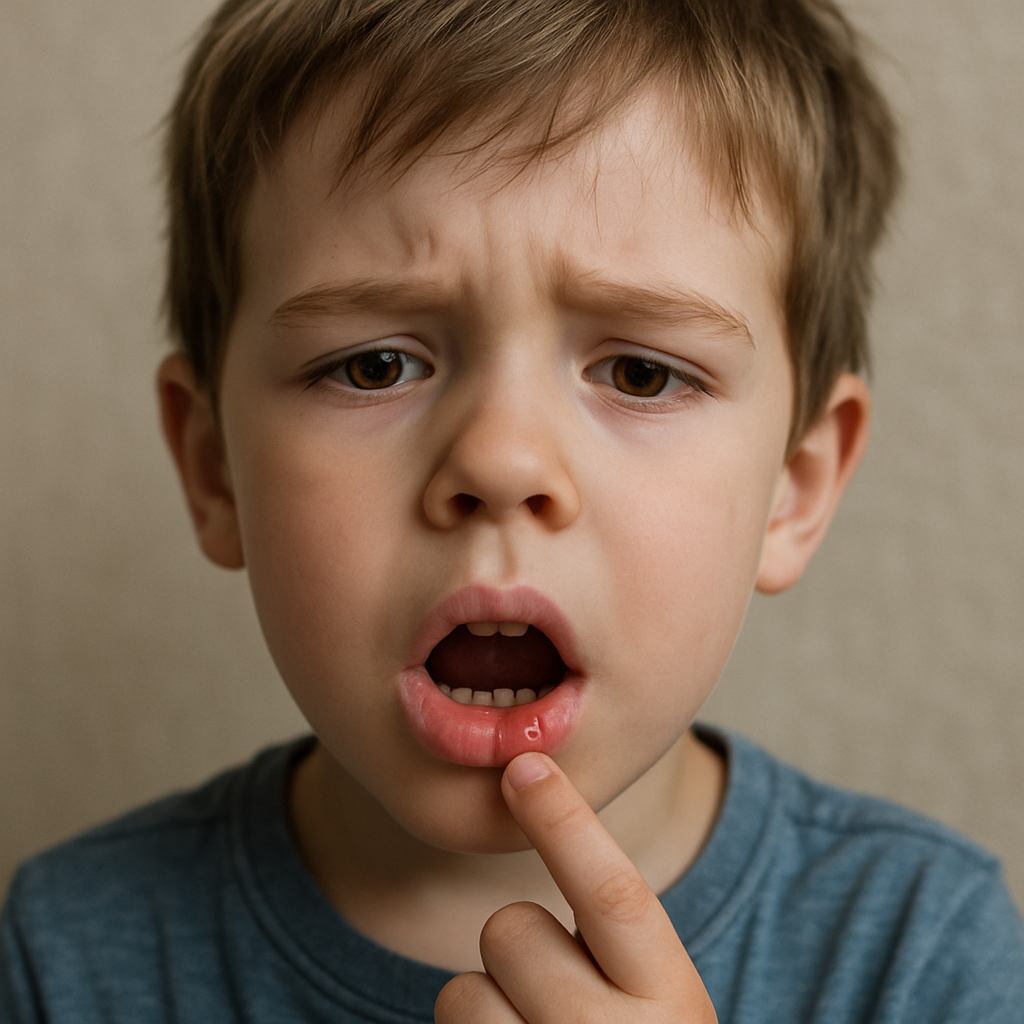
Canker sores are non-contagious ulcers that appear on the soft tissues inside the mouth, such as the inner cheeks, gums, or tongue. They’re different from cold sores, which are caused by the herpes virus and typically appear outside the mouth. Canker sores are more common in children and teenagers and can be triggered by various factors.
What Causes Canker Sores in Children?
The exact cause of canker sores remains unclear, but several factors are known to contribute to their development:
- Injury to the Mouth: A bite to the inside of the cheek, a sharp tooth, or even vigorous brushing can injure the mouth’s delicate lining, potentially leading to canker sores.
- Dietary Triggers: Certain foods, such as citrus fruits, tomatoes, chocolate, and spicy foods, can irritate the mouth and may trigger the formation of canker sores in susceptible children.
- Nutritional Deficiencies: Deficiencies in vitamins such as B-12, zinc, folic acid, and iron can increase the risk of developing canker sores.
- Stress and Hormonal Changes: Emotional stress or hormonal shifts, particularly during adolescence, can be a contributing factor.
- Underlying Health Conditions: Conditions like celiac disease, Crohn’s disease, or a weakened immune system can make children more prone to canker sores.
- Genetic Factors: A family history of canker sores can increase a child’s likelihood of experiencing them.
How to Treat Mouth Ulcers in Children
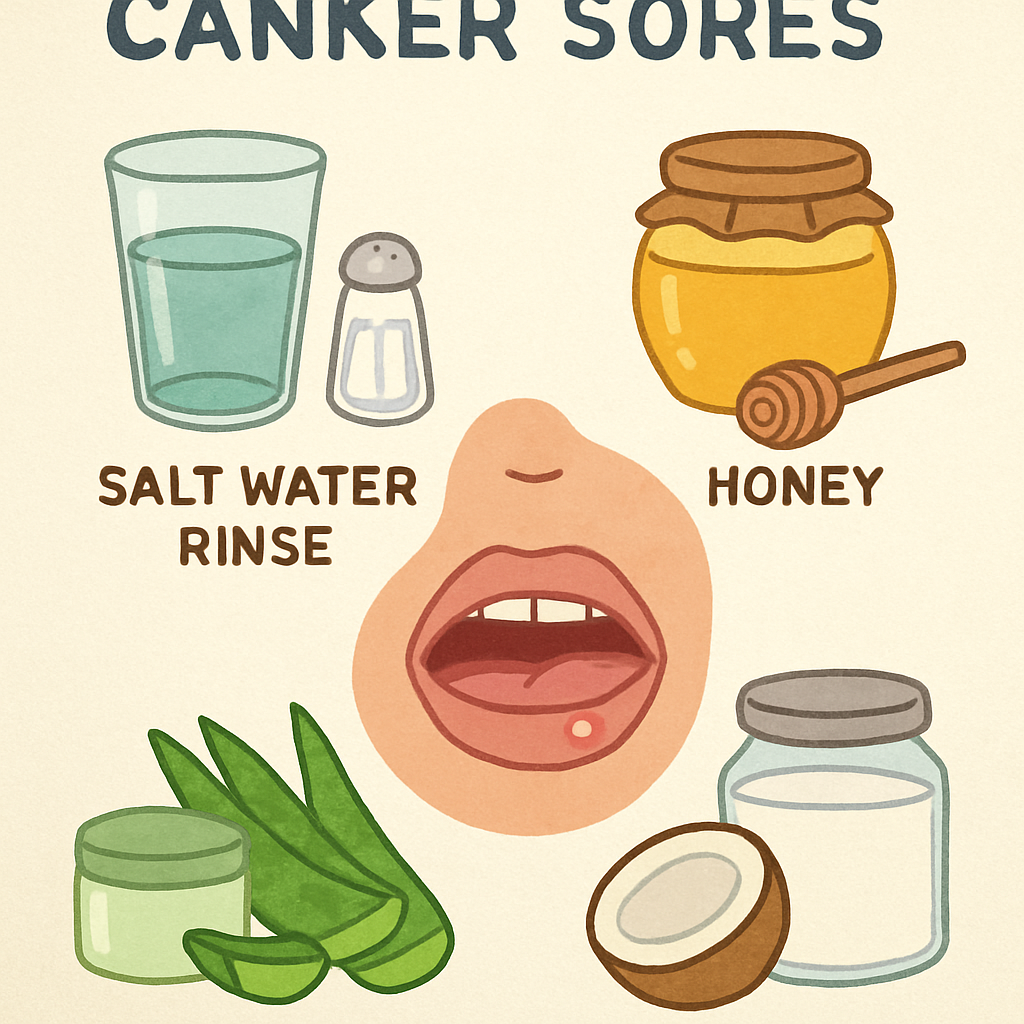
While canker sores usually heal on their own within a week or two, there are several ways to relieve discomfort and speed up recovery:
Home Remedies for Canker Sores
- Saltwater Rinse: Dissolve a teaspoon of salt in a cup of warm water. Have your child swish this solution in their mouth for about 30 seconds before spitting it out. This can help reduce bacteria and promote healing.
- Baking Soda Paste: Mix a small amount of baking soda with water to form a paste. Apply it directly to the sore to neutralize acids and reduce irritation.
- Hydrogen Peroxide Solution: Dilute hydrogen peroxide with an equal part of water and use a cotton swab to apply it to the sore. This can help clean the area and prevent infection.
- Honey: Honey has natural antibacterial and healing properties. Apply a small amount to the sore a few times a day to soothe and heal.
- Aloe Vera Gel: Apply pure aloe vera gel to the sore for its soothing and anti-inflammatory effects.
Over-the-Counter Treatments
- Mouth Rinses: Antiseptic mouthwashes can help reduce bacteria and irritation. Look for alcohol-free options designed for children.
- Topical Ointments: Products containing benzocaine or other numbing agents can provide temporary pain relief when applied directly to the sore.
- Protective Patches: Special patches that adhere to the sore can protect it from further irritation and speed healing.
When to See a Dentist for Canker Sores

by Frederick Shaw (https://unsplash.com/@dropfastcollective)
In most cases, canker sores in kids are harmless and resolve on their own. However, there are situations when a visit to the dentist is warranted:
- Persistent Sores: If a sore lasts longer than two weeks, it’s essential to consult a dentist to rule out other conditions.
- Frequent Recurrences: If your child frequently suffers from canker sores, a dentist can help determine any underlying causes and suggest preventive measures.
- Severe Pain: If the sores are causing severe discomfort, your dentist may recommend a stronger prescription medication for relief.
- Signs of Infection: If the sore becomes very red, swollen, or starts to ooze pus, it may be infected, and professional treatment is necessary.
Preventing Canker Sores in Children
While it’s not always possible to prevent canker sores, several strategies can reduce their frequency and severity:
- Avoid Trigger Foods: Identify and limit foods that seem to trigger sores in your child.
- Maintain Oral Hygiene: Encourage gentle brushing with a soft-bristled toothbrush to avoid injuring the mouth.
- Balanced Diet: Ensure your child receives adequate vitamins and minerals through a balanced diet or supplements if necessary.
- Stress Management: Help your child manage stress through relaxation techniques and ensure they have a supportive environment at home and school.
- Regular Dental Check-ups: Regular visits to the dentist can help identify potential issues and maintain good oral health.
Conclusion
Canker sores in children, though painful, are usually a minor inconvenience. By understanding the causes, treatments, and preventive measures, you can help your child manage these sores with ease. Remember, if the sores persist or cause significant discomfort, consulting a dentist can provide additional guidance and treatment options. With proper care and attention, your child can get back to their playful self in no time.